Tell us about the job
Takes about a minute. No obligation.

A boiler repair in Livingston County starts with the same questions a contractor asks anywhere: how old is the unit, how has it been maintained, and what does the heat exchanger actually show. 79 severe weather events were recorded in Livingston County, Kentucky between 2015 and 2024. At that rate, severe weather is a real but infrequent presence, and a contractor who blames a cracked exchanger or a failed circulator pump on storm load is probably looking past the more straightforward answer. Age and deferred maintenance account for most of what goes wrong with boilers here, and a good diagnosis follows that order.
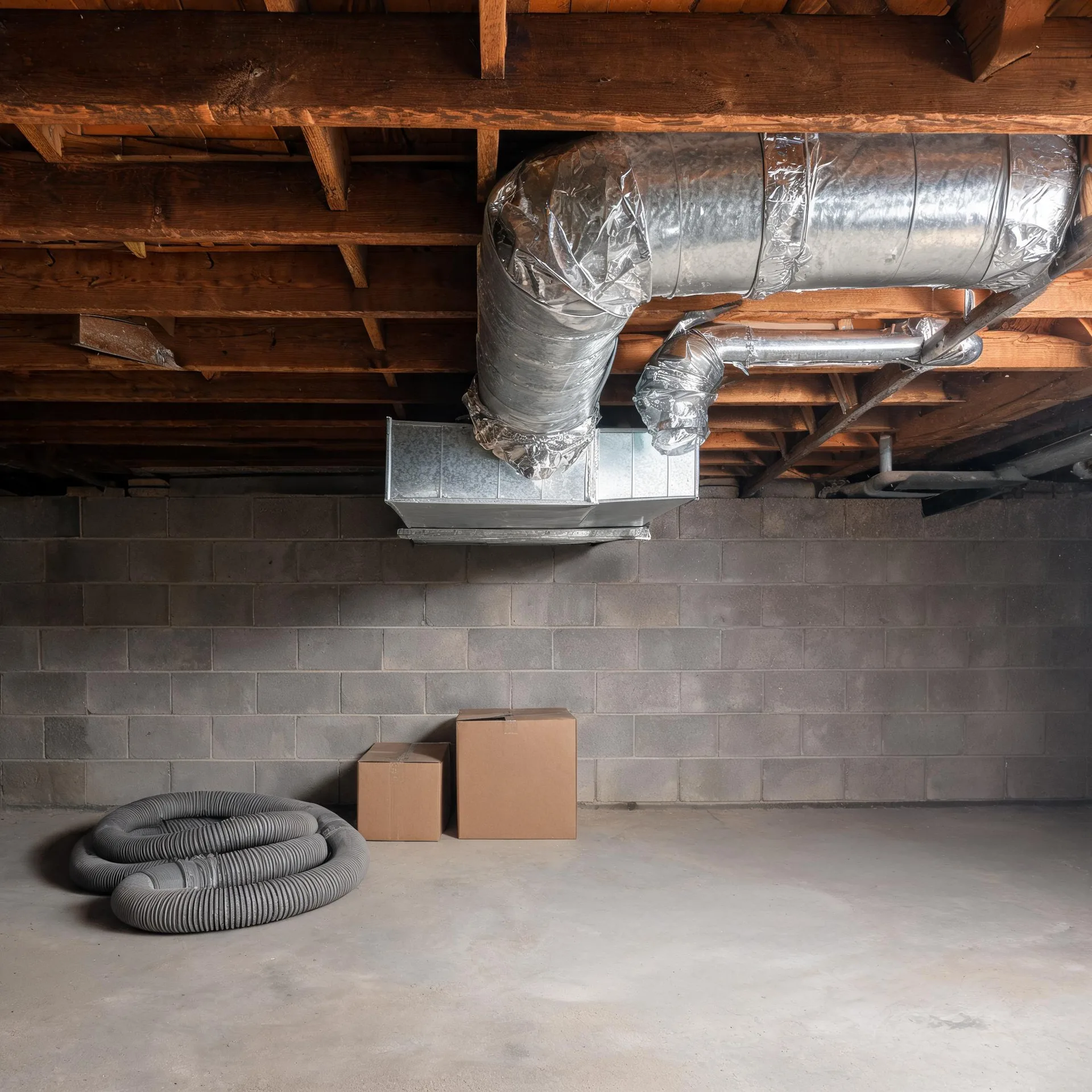
Boiler repair in housing this old turns on what a contractor finds once the unit is open, and the answer is rarely straightforward. Half the homes in Livingston County, Kentucky were built in 1978 or earlier (2020-2024 ACS 5-year). A boiler installed into a house of that vintage has often been swapped, adapted, or pieced back together across successive owners, and the internals reflect that history: brazed joints where threaded ones belonged, replacement components that are close but not exact, control wiring that was spliced rather than replaced. Whether a given part is still in production depends on what generation of equipment is actually sitting in the basement, which the model plate alone does not always settle.
The Parts of a Boiler a Contractor Checks First
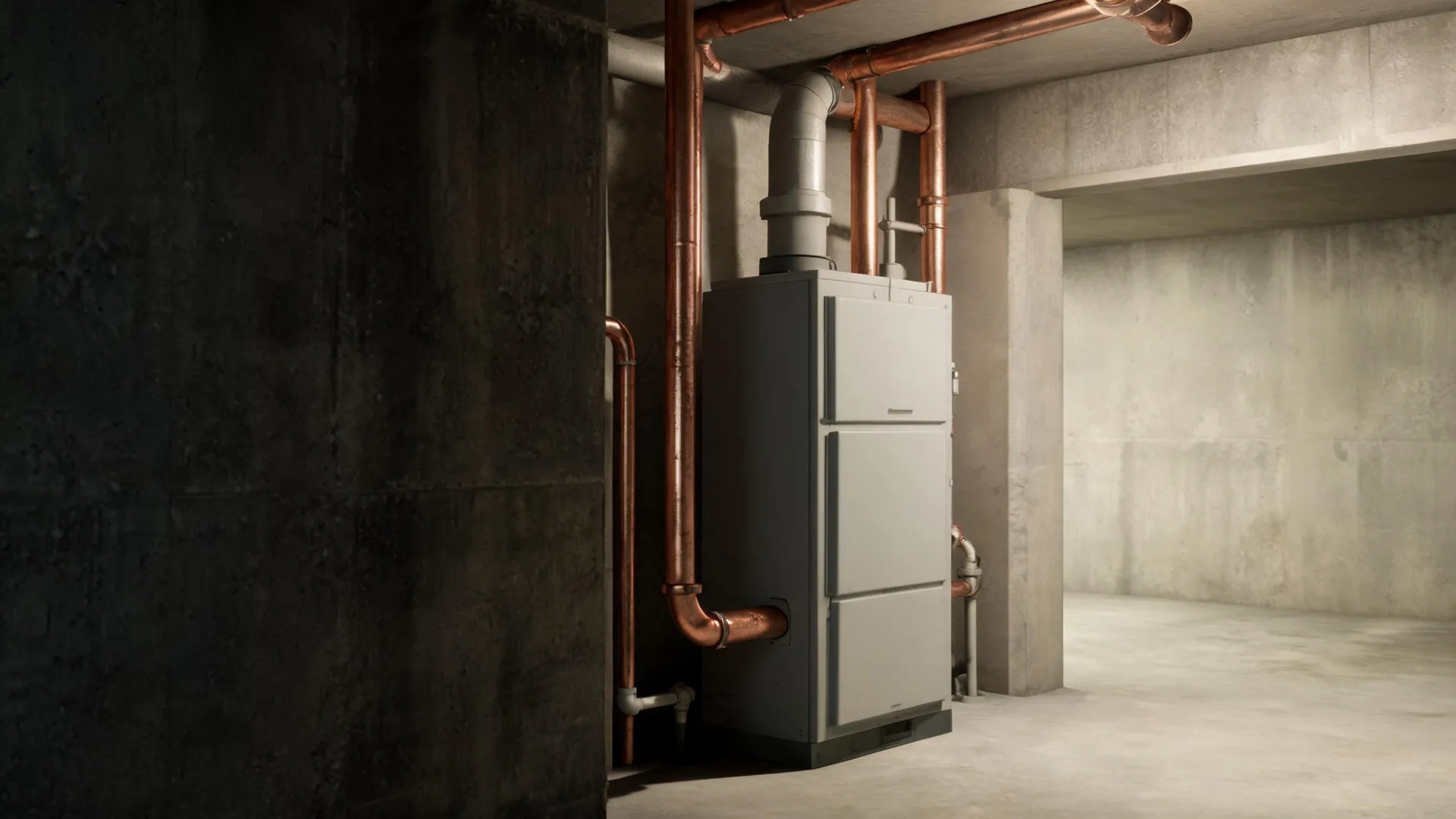
The boiler itself sits in the basement or a mechanical room and is the heart of the repair call. It heats water and pushes it out through the system. When a boiler fails to heat, runs short cycles, or makes banging or kettling sounds, the contractor starts here, looking at the heat exchanger, the burner assembly, and the controls that govern firing.
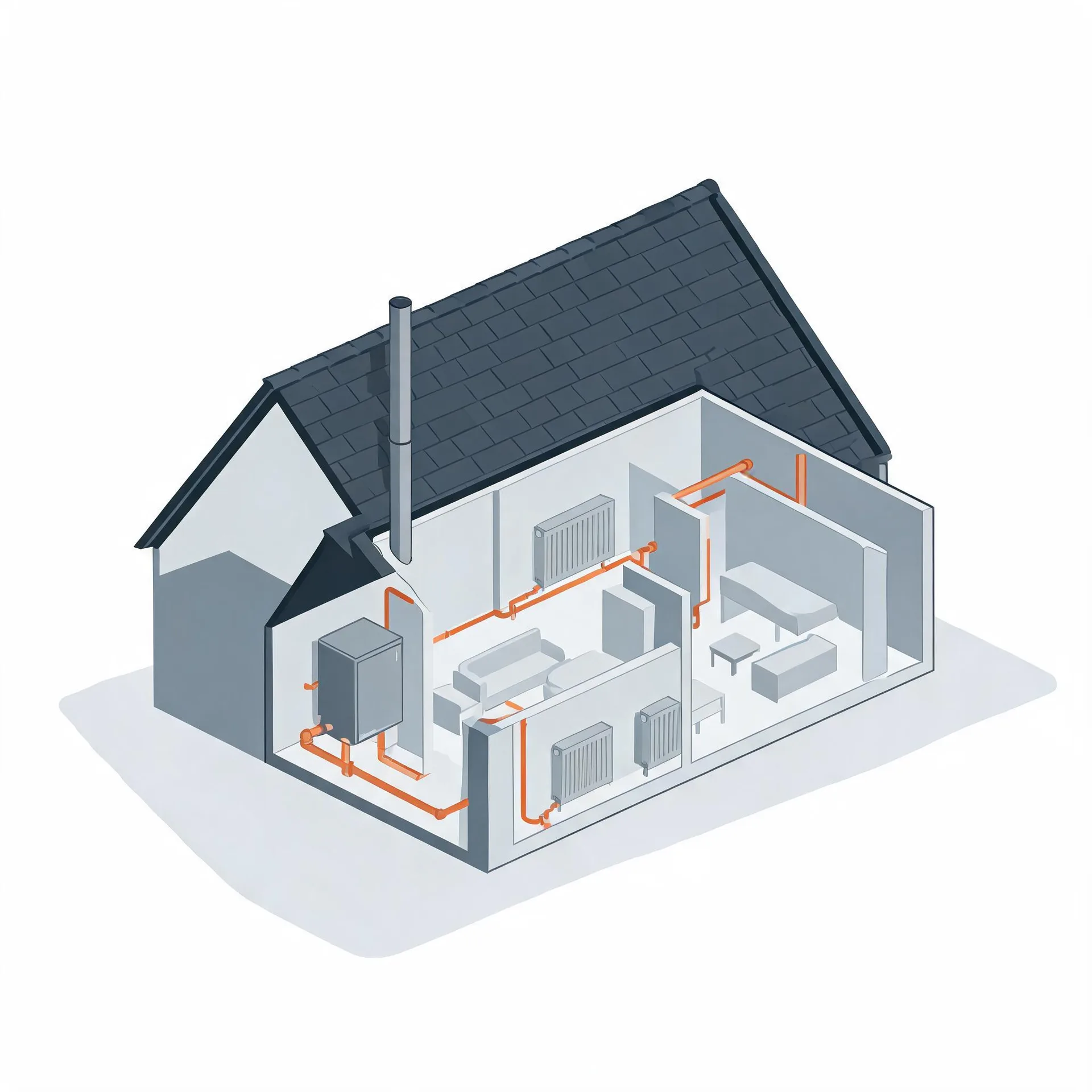
From the boiler, water moves through supply pipes to radiators or radiant floor loops in the living spaces, then returns through return lines. The circulator pump drives that flow, and the expansion tank sits nearby to absorb pressure changes. A faulty pump, a waterlogged expansion tank, or a stuck zone valve shows up as uneven heat or no heat in part of the house.
The drawing shows the general layout of a boiler system, and a licensed contractor determines which components apply and need attention in your specific home.
Get matched in Livingston CountyLivingston County, by the numbers
79 severe weather events were recorded in Livingston County, Kentucky between 2015 and 2024.
NOAA National Centers for Environmental Information, Storm Events Database, bulk CSV export, events 2015-01-01 through 2024-12-31.Half the homes in Livingston County, Kentucky were built in 1978 or earlier (2020-2024 ACS 5-year).
U.S. Census Bureau, 2020-2024 American Community Survey 5-Year EstimatesLivingston County, Kentucky holds 4,640 housing units (2020-2024 ACS 5-year).
U.S. Census Bureau, 2020-2024 American Community Survey 5-Year EstimatesOwners occupy 81.2% of the occupied homes in Livingston County, Kentucky (2020-2024 ACS 5-year).
U.S. Census Bureau, 2020-2024 American Community Survey 5-Year EstimatesBoiler Repair Rules & Standards for Livingston County, Kentucky1 codes, laws, and standards
Licensing and Legal Requirements in Livingston County, Kentucky
Kentucky requires a licence to practise heating, ventilation and air conditioning contracting: a person may not do the work unless they have met the state licensing requirements.
Severe Weather Events in Livingston County
Extreme weather puts real strain on boiler systems, cycling them hard and fast in ways that routine operation never does. How much of that strain a boiler here in Livingston County carries is a local question, and the record below shows what the county has faced.
79 severe weather events, 2015–2024. Source: NOAA National Centers for Environmental Information, Storm Events Database.