Tell us about the job
Takes about a minute. No obligation.

A contractor quoting boiler repair in Butler County is not working around an extreme weather environment. 90 severe weather events were recorded in Butler County, Kentucky between 2015 and 2024. At that rate, severe weather is a real but unremarkable part of what a boiler here has been running against, and it does not explain most of what breaks. Heat exchangers crack from age, controls fail from deferred servicing, and circulator pumps wear out on their own schedule. A contractor's first job is to find the actual cause, not to attribute the failure to conditions that, in this county, sit well within what ordinary equipment handles.
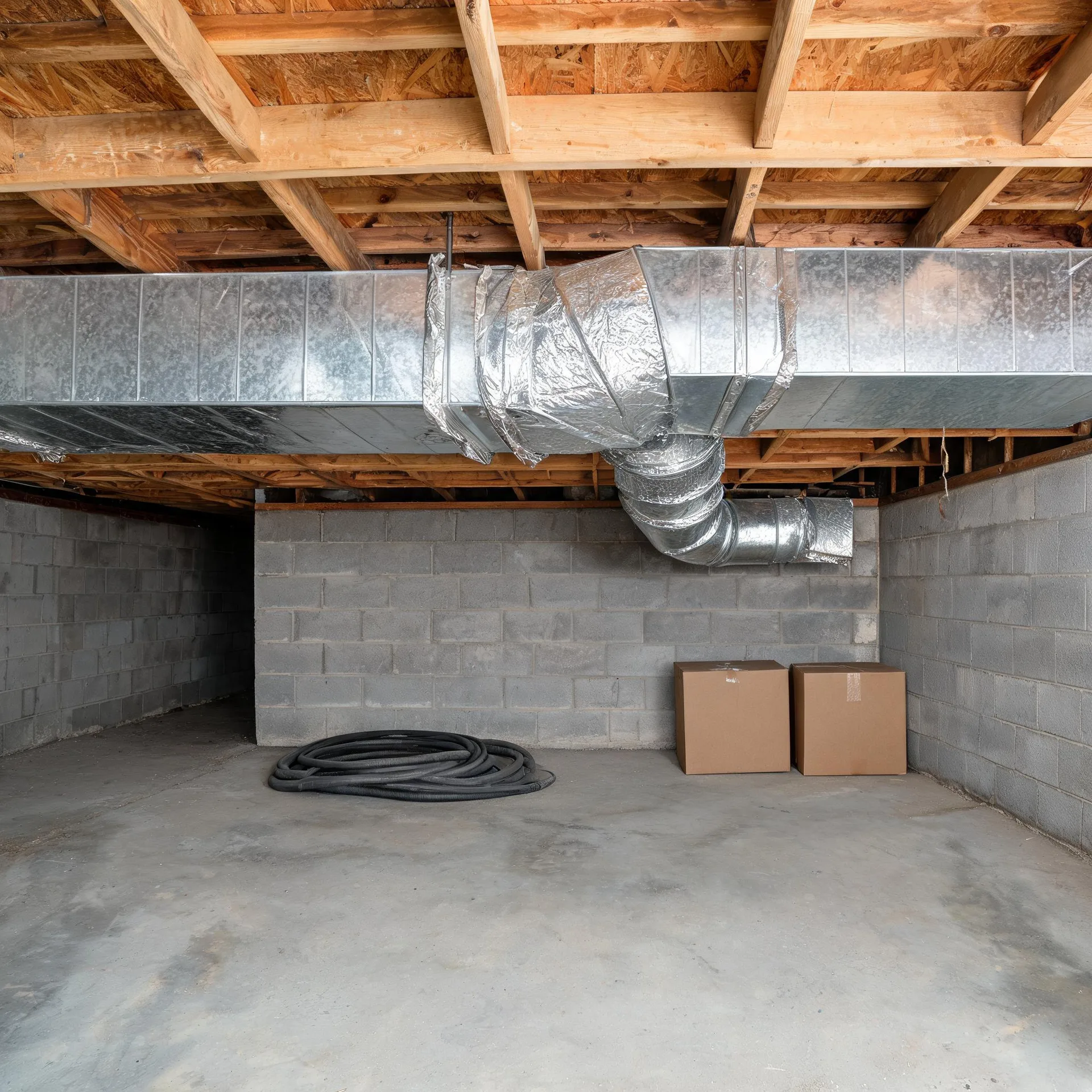
Piping runs, zone valves, and heat exchangers in houses built for an earlier generation of equipment have had time to degrade on their own schedule, independent of when the boiler itself was installed. Half the homes in Butler County, Kentucky were built in 1988 or earlier (2020-2024 ACS 5-year). That gap between the building and what runs in it now means a contractor opening a boiler here is working out whether the specific controls and distribution components in front of them can be repaired or whether the parts they take are still manufactured. A heat exchanger that has developed cracks, or a zone valve whose internals have seized, sends the job in a different direction than a failed circulator pump whose replacement is still in production.
The Parts of a Boiler a Contractor Checks First
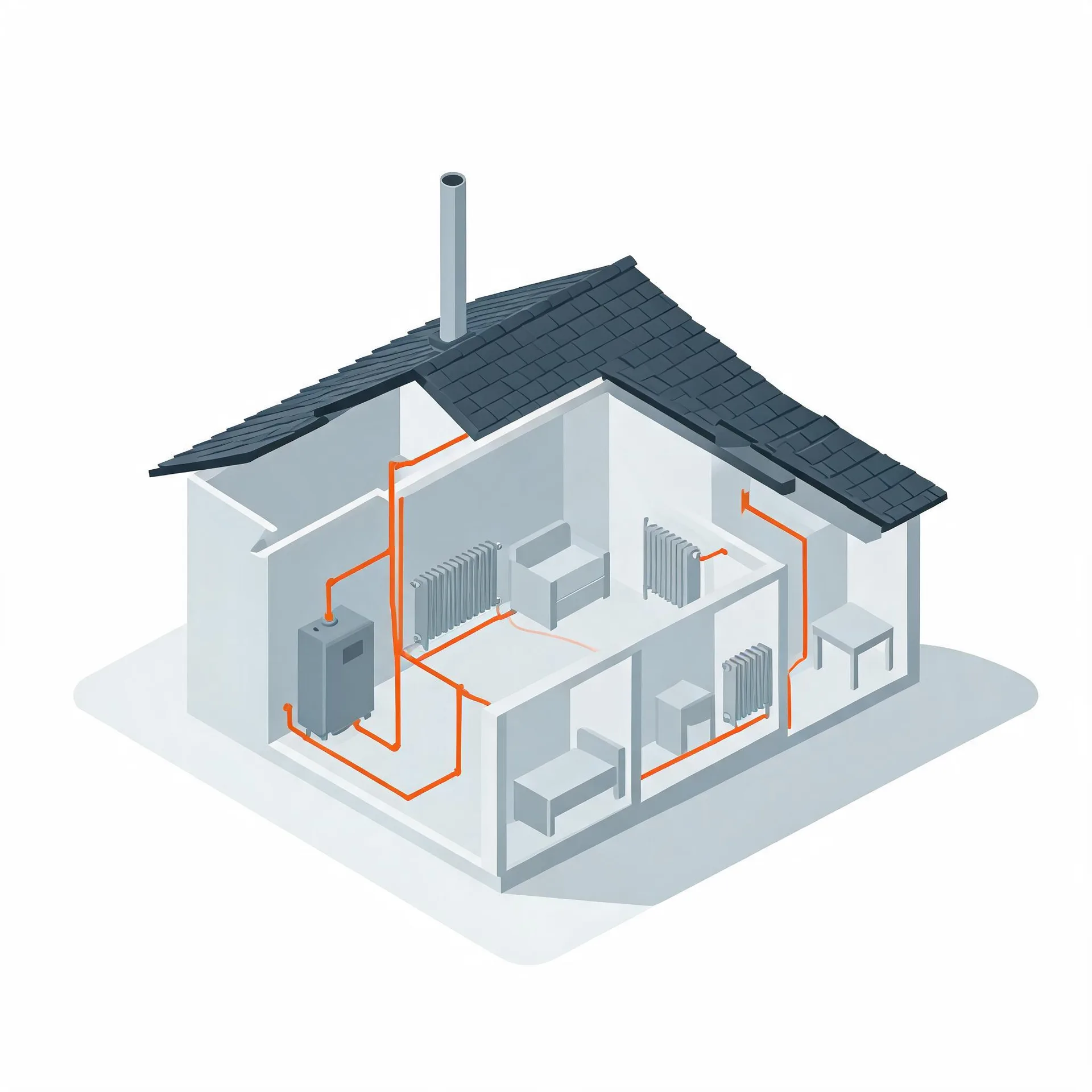
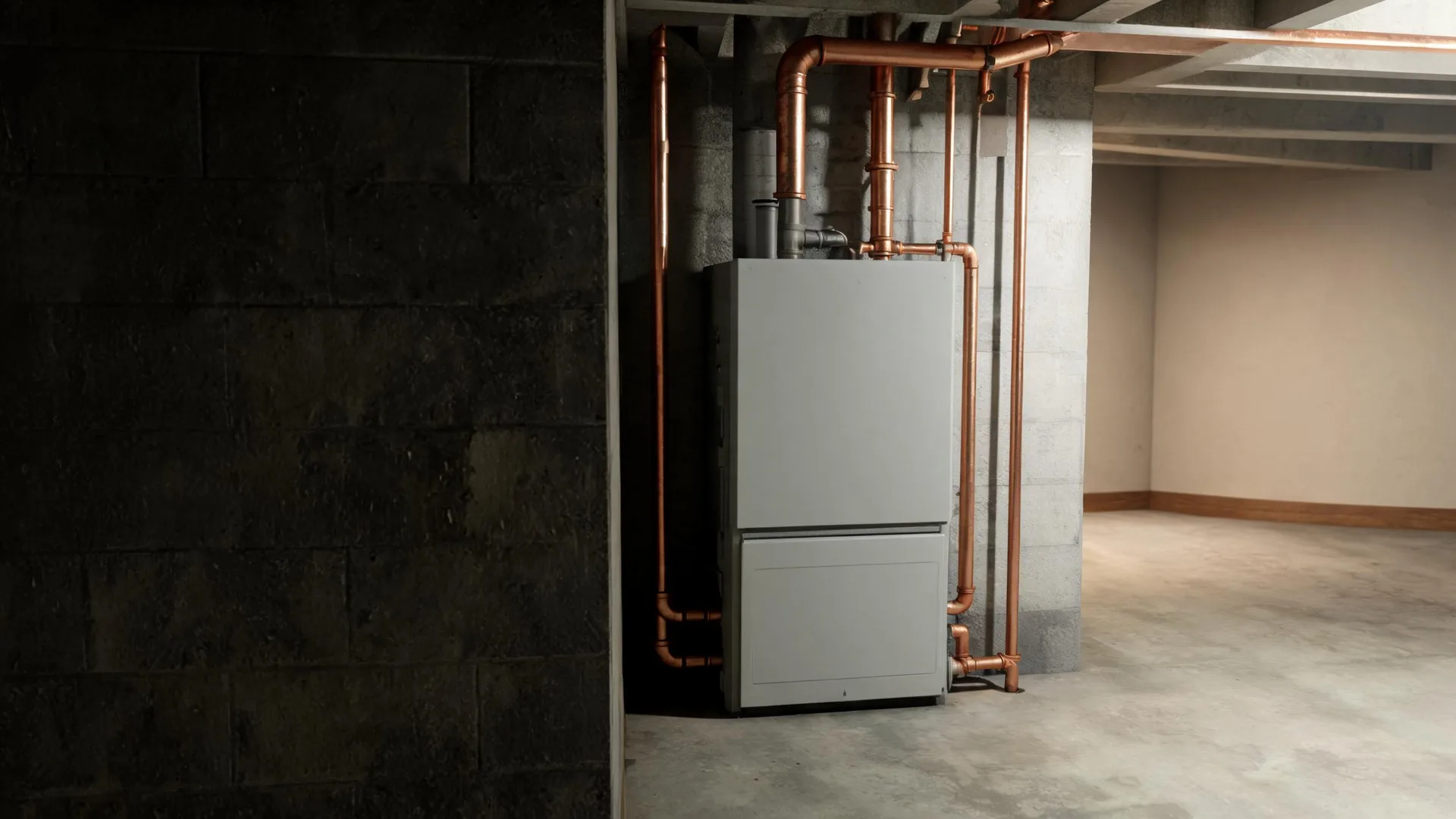
The boiler itself sits in the basement or a utility room and is the piece a contractor goes to first. It heats water and pushes it through the system. When something is wrong there, symptoms show up fast: no heat at all, odd noises from the unit, or a pressure gauge sitting outside its normal range.
From the boiler, pipes carry hot water to radiators or baseboard units positioned along the walls of living spaces. The circulator pump moves water through those pipes, and the expansion tank, usually mounted near the boiler, absorbs pressure changes as the water heats and cools. A failing pump or a waterlogged expansion tank are common reasons heat stops reaching the rooms.
The drawing shows the general layout of a boiler system, and a licensed contractor determines which components apply and what needs attention in your specific home.
Get matched in Butler CountyButler County by the numbers
90 severe weather events were recorded in Butler County, Kentucky between 2015 and 2024.
NOAA National Centers for Environmental Information, Storm Events Database, bulk CSV export, events 2015-01-01 through 2024-12-31.Half the homes in Butler County, Kentucky were built in 1988 or earlier (2020-2024 ACS 5-year).
U.S. Census Bureau, 2020-2024 American Community Survey 5-Year EstimatesButler County, Kentucky holds 5,455 housing units (2020-2024 ACS 5-year).
U.S. Census Bureau, 2020-2024 American Community Survey 5-Year EstimatesOwners occupy 73.7% of the occupied homes in Butler County, Kentucky (2020-2024 ACS 5-year).
U.S. Census Bureau, 2020-2024 American Community Survey 5-Year EstimatesBoiler Repair Rules That Apply in Butler County, Kentucky1 sourced standards and codes
What Butler County, Kentucky Requires for HVAC Repair Work
Kentucky requires a licence to practise heating, ventilation and air conditioning contracting: a person may not do the work unless they have met the state licensing requirements.
Severe Weather Events in Butler County
Hard weather puts hours on a boiler fast. Pressure swings, power interruptions, and sudden cold snaps all push heating systems to work harder, which is why local weather history is part of understanding repair demand in Butler County.
90 severe weather events, 2015–2024. Source: NOAA National Centers for Environmental Information, Storm Events Database.