Tell us about the job
Takes about a minute. No obligation.
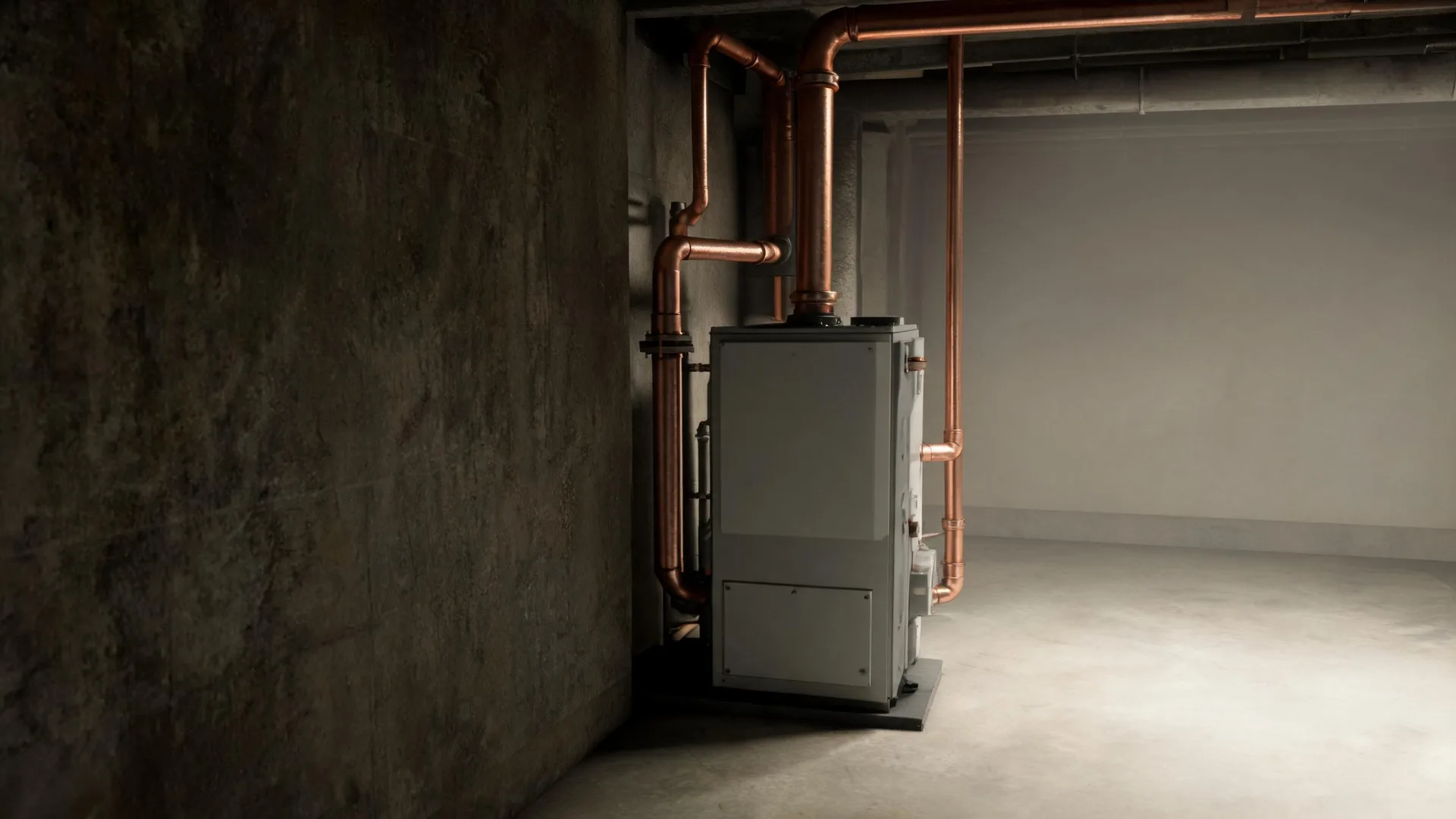
A contractor sizing up a boiler repair here starts with what the system has already been through. 143 severe weather events were recorded in Fayette County, Kentucky between 2015 and 2024. At that rate, severe weather is a standing feature of operating in this county, and the wear it puts on heat exchangers, pressure relief valves, and ignition components adds up. A part that looks like a manufacturing defect or a maintenance failure may carry storm-related stress instead, and misreading that shifts the repair in the wrong direction. Getting the diagnosis right means separating age and use from weather load before settling on what to replace.
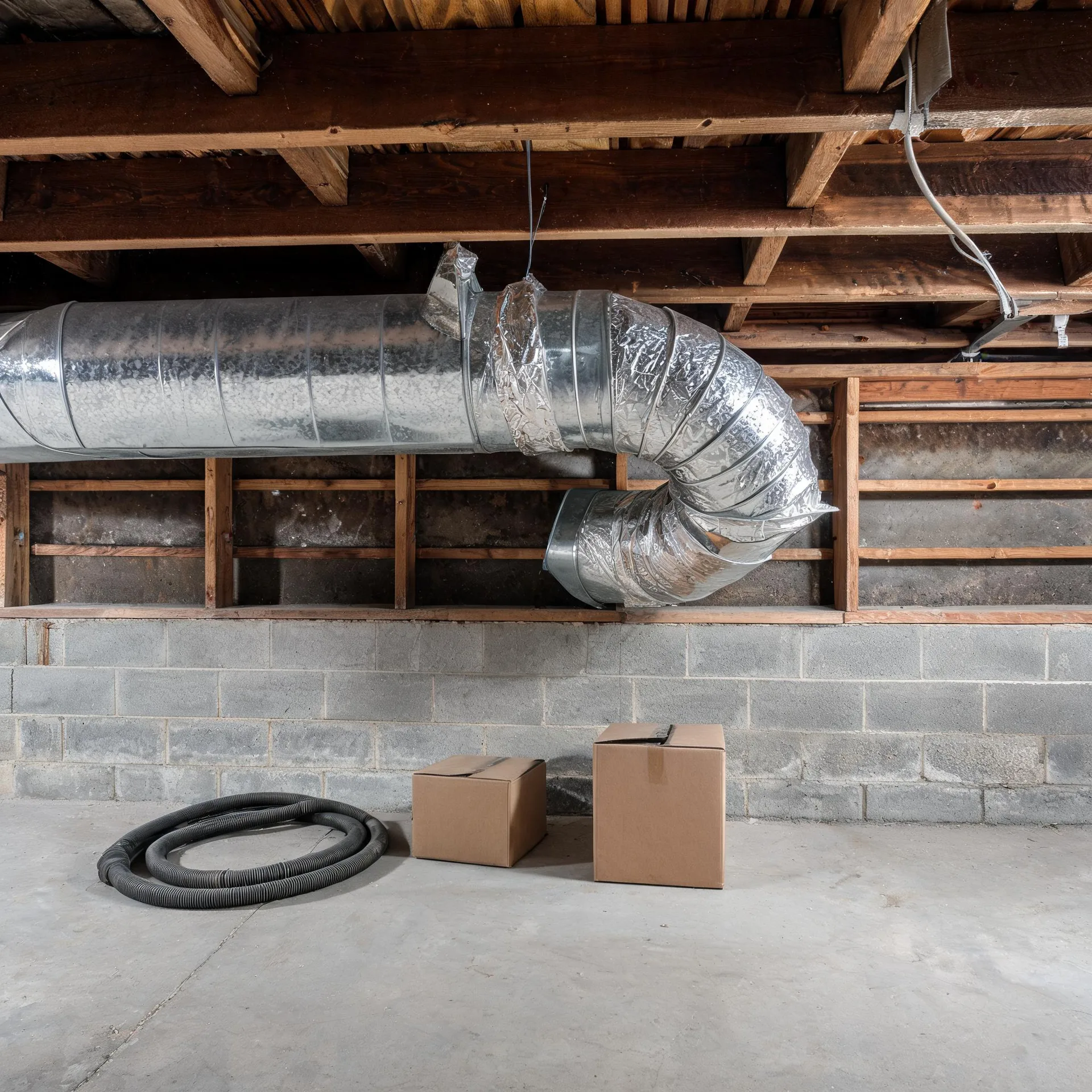
Boiler systems in this county's older housing have often changed hands across owners and repair cycles, and the unit sitting in a basement today is rarely what the house was built around. Half the homes in Fayette County, Kentucky were built in 1984 or earlier (2020-2024 ACS 5-year). That history means the repair path opens with what the contractor actually finds inside the unit: the condition of the heat exchanger, the age of the controls, and whether the parts that system takes are still being made. A heat exchanger that has been running on an adapted setup for years shows it when opened, and a controls board from a discontinued line turns a straightforward call into a sourcing problem.
The Parts of a Boiler a Contractor Checks First
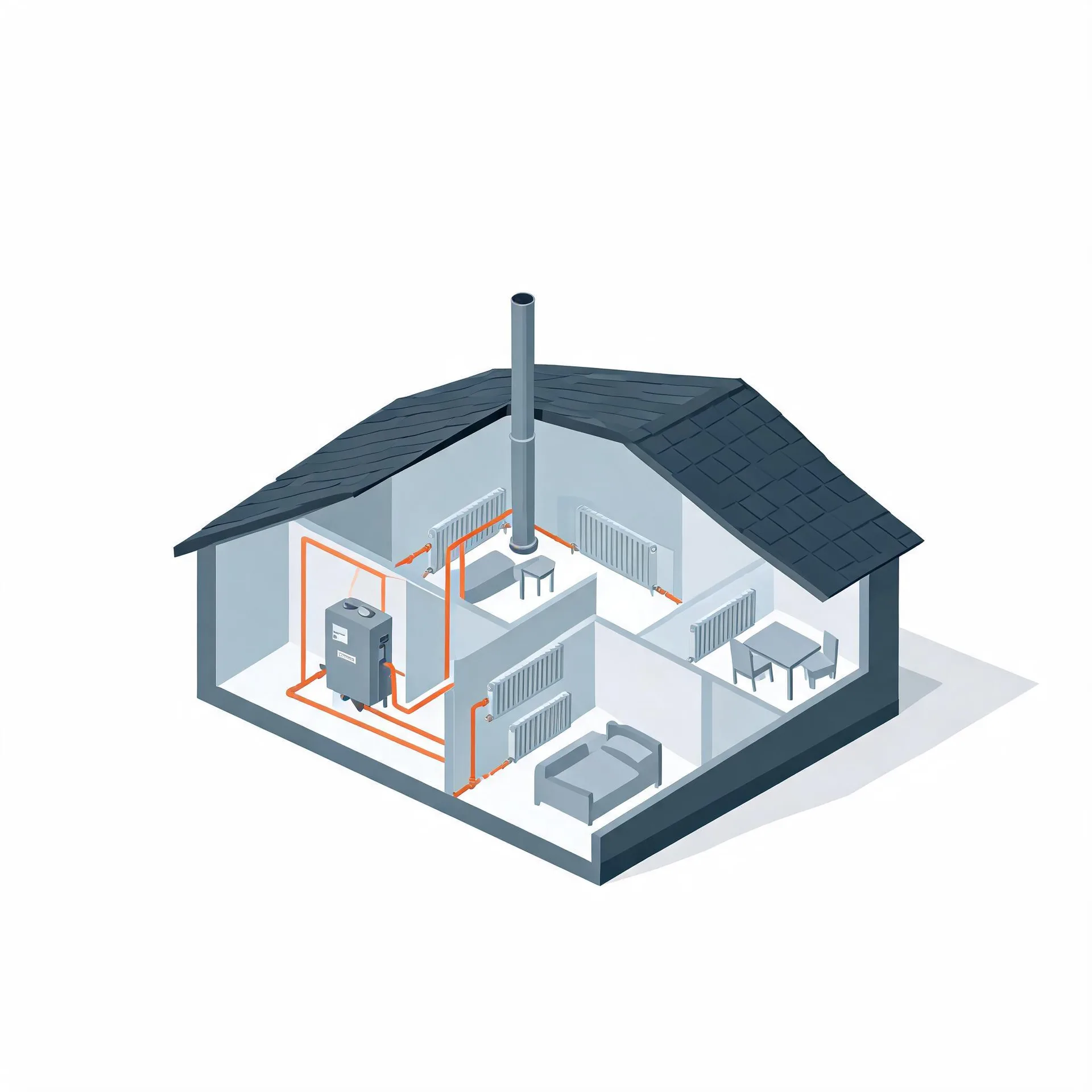
The boiler itself sits in the basement or a mechanical room and is the piece a contractor reaches first when something goes wrong. Inside it, the heat exchanger is the part most likely behind a loss of heat or strange sounds, and the burner assembly just below it is where combustion problems show up. The pressure relief valve, mounted on the boiler's side, is a safety device that gets examined early.
From the boiler, supply pipes carry hot water to radiators or baseboard units in each room, and the circulator pump mounted on those pipes is a common fault point when heat reaches some rooms but not others. The expansion tank, usually hanging near the boiler, absorbs pressure changes in the system, and the thermostat on a living-area wall is where a contractor rules out a simple control failure before going further.
The drawing shows a typical boiler layout, and a licensed contractor determines which components apply to your specific home.
Get matched in Fayette CountyFayette County, by the numbers
143 severe weather events were recorded in Fayette County, Kentucky between 2015 and 2024.
NOAA National Centers for Environmental Information, Storm Events Database, bulk CSV export, events 2015-01-01 through 2024-12-31.Half the homes in Fayette County, Kentucky were built in 1984 or earlier (2020-2024 ACS 5-year).
U.S. Census Bureau, 2020-2024 American Community Survey 5-Year EstimatesFayette County, Kentucky holds 148,959 housing units (2020-2024 ACS 5-year).
U.S. Census Bureau, 2020-2024 American Community Survey 5-Year EstimatesOwners occupy 53.8% of the occupied homes in Fayette County, Kentucky (2020-2024 ACS 5-year).
U.S. Census Bureau, 2020-2024 American Community Survey 5-Year EstimatesBoiler Repair Rules on the Books for Fayette County, Kentucky1 codes & standards
Licensing Rules for HVAC Repair in Fayette County, Kentucky
Kentucky requires a licence to practise heating, ventilation and air conditioning contracting: a person may not do the work unless they have met the state licensing requirements.
Severe Weather Events in Fayette County
Boilers work hardest when outdoor conditions push hardest against them. How much stress the weather puts on heating equipment in Fayette County is a local question, and the record below shows what that pressure looks like year by year.
143 severe weather events, 2015–2024. Source: NOAA National Centers for Environmental Information, Storm Events Database.